






How much does a tutor cost, and what should you charge if you tutor yourself? There's no official statistic on tutoring rates in the UK, but published guides from tutoring platforms paint a fairly consistent picture: price depends mostly on the level, the subject, the tutor's experience and where the lessons take place.
This guide gives you typical tutor hourly rates, the factors behind them and a step-by-step way to set and raise your own price.
Key facts at a glance
- GCSE tutoring typically costs around £30 to £50 an hour.
- A-level tutoring is usually higher, roughly £35 to £60 an hour.
- London and specialist tutors often charge more.
- Online tutoring is often slightly cheaper than in-person lessons.
These are guide prices drawn from tutoring platforms and agencies, not official data.
How Much Do Tutors Charge?
The table summarises typical UK rates. Agencies often add a margin on top of what the tutor receives.
| Level | Typical hourly rate | Note |
|---|---|---|
| Primary and KS3 | around £20 to £40 | Often taught by students or newer tutors |
| GCSE | around £30 to £50 | The most common tutoring level |
| A-level | around £35 to £60 | Higher for maths and sciences |
| 11+ and entrance exams | often at the upper end | Specialist preparation |
| University and professional | often £50 and above | Depends heavily on the subject |
| Online lessons | often slightly below in-person | No travel time |
What Drives Tutoring Prices
Two tutors charging different rates can both be fair. These factors explain the gap.
Level and subject
Primary tutoring is cheapest. The closer you get to GCSEs, A-levels or entrance exams, the higher the price. Maths, physics and chemistry often cost a little more than languages because fewer tutors teach them at a high level.
Qualifications and track record
Qualified teachers, examiners and tutors with proven results can charge more than students helping younger pupils.
Location and format
Rates are higher in London and other big cities. Home visits cost more because of travel; online lessons and small groups cost less per student.
Packages and regularity
Weekly sessions or blocks of ten lessons are often cheaper per hour than one-off sessions just before an exam.
How to Set Your Tutoring Rate
If you tutor, don't just copy others. Work from what you actually need.
Step 1: Check local rates
Look at tutoring platforms and local adverts to see what tutors with similar experience charge for the same level. That's your range.
Step 2: Count all your time
A one-hour lesson takes more than an hour: preparation, travel, messages and admin add up. Example: you charge £35, travel 30 minutes in total and prepare for 15 minutes. Your effective rate is about £20 per hour worked, before tax.
Step 3: Offer packages
Alongside single lessons, offer a block of ten sessions with a small discount. It keeps students committed, makes your income predictable and reduces last-minute cancellations.
Step 4: Set a cancellation policy
Decide how late a lesson can be cancelled free of charge, for example 24 hours before. Later cancellations are charged. Put it in writing before the first lesson.
Tax and Paperwork for Tutors
These points apply in the UK. For your specific situation, speak to an accountant.
Registering as self-employed
If your income from tutoring is more than the £1,000 trading allowance in a tax year, you need to register as self-employed with HMRC and file a Self Assessment tax return.
Background checks
Many parents expect tutors who work with children to have a DBS check. Tutoring platforms and agencies often arrange one for their tutors.
Payments and records
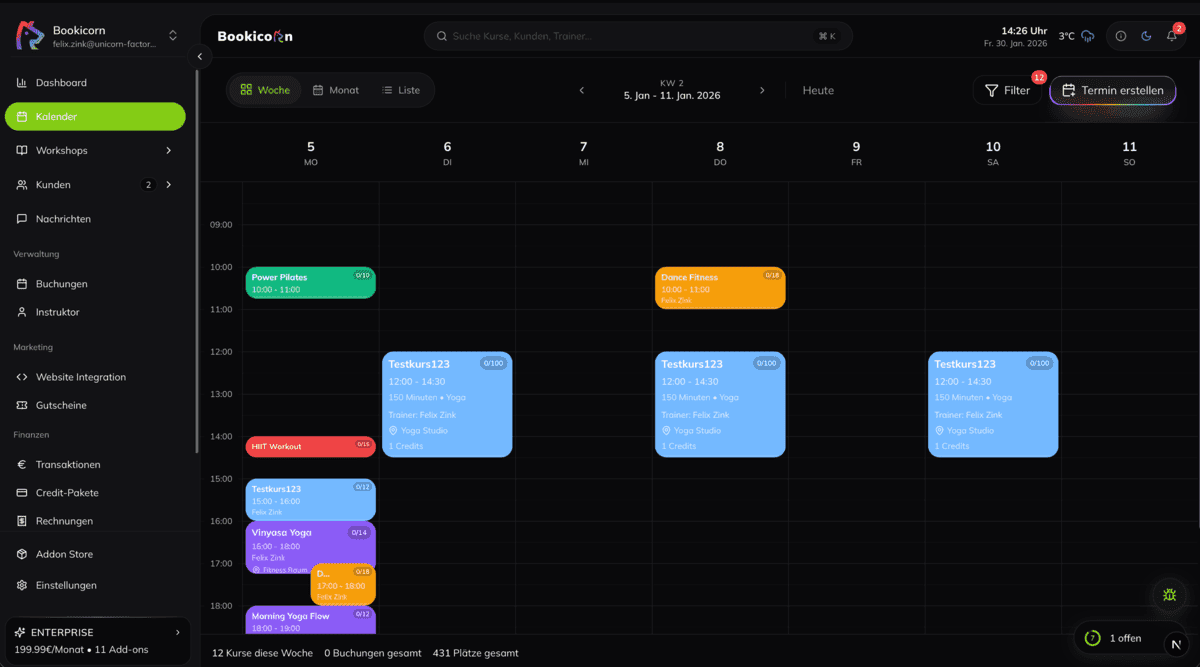
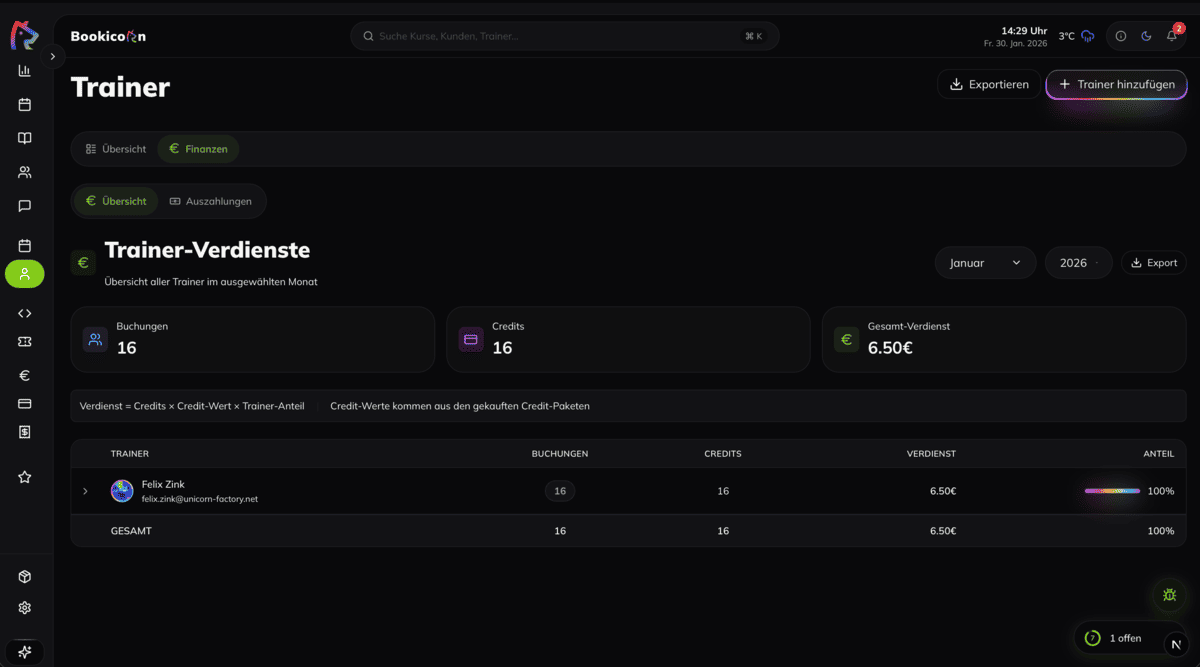
Avoid cash without a record. With booking software like Bookicorn, families book lessons and packages online, pay in advance and you have every payment documented. To get started and find your first students, read our guide on how to start tutoring.
Frequently Asked Questions About Tutoring Rates
The key questions and answers at a glance.
Conclusion: Fair Prices for Both Sides
UK tutoring typically costs around £30 to £60 an hour depending on level, subject and location. If you tutor, start from local rates, count all the time a lesson really takes and offer packages with a clear cancellation policy. That gives you a price that's fair for families and genuinely worth your time.

Written by
Felix Zink
Felix built Bookicorn from the ground up – from the booking system and credit system to trainer payouts. As a full-stack developer at Unicorn Factory Media GmbH, he builds software that makes everyday life easier for studios.
Was this article helpful?
Rate this post