






Planning a yoga retreat means much more than just booking a class space in a beautiful location. It is about creating a transformative experience that takes your participants out of their daily routine and gives them space for practice, reflection and recovery.
Whether you are a yoga teacher organising your first retreat or a studio owner looking to expand your offerings: this guide shows you step by step how to get from the initial idea to a successful event. We cover everything from location selection and programme design to pricing and participant management.
Why host your own yoga retreat?
More than just yoga classes
A retreat is fundamentally different from regular classes at your studio. While a yoga class lasts 60 to 90 minutes, a retreat spans several days. Your participants dive deeper into their practice, build a stronger connection with you as a teacher and experience yoga in an entirely new context.
Benefits for yoga teachers and studios
- Additional revenue stream alongside regular class operations
- Stronger bonds with your community and existing participants
- Expert positioning in your niche (Yin Yoga, Vinyasa, Meditation)
- Personal growth through intensive work with small groups
- Marketing effect: Satisfied retreat participants become loyal regulars
Developing your retreat concept: formats and target audience
Before you begin the concrete planning, you need a clear concept. This forms the foundation for all further decisions and helps you reach the right participants.
Popular retreat formats
Not every yoga retreat has to look the same. Find the format that suits your expertise and target audience:
- Weekend retreat (2-3 days): Ideal for beginners and as your first own retreat. Low planning effort, lower costs for participants.
- Week-long retreat (5-7 days): The classic option with deep practice. Offers room for transformation but requires more organisation.
- Theme retreat: Focus on a specific topic such as mindfulness, detox, Yoga Nidra or chakra work. Targets specifically interested participants.
- Yoga and hiking: Combination of yoga sessions and nature experiences. Particularly popular in mountain regions or by the sea.
- Silent retreats: Intensive experience with periods of silence and meditation. For advanced practitioners.
Define your target audience
Think carefully about who you want to reach. Your target audience determines the location, price level and programme content:
- Yoga beginners need a gentle programme with plenty of guidance and free time
- Advanced practitioners expect intensive practice and depth of content
- Working professionals seek stress relief and prefer weekends
- Yoga travellers combine practice with adventure and prefer unique locations
Set your group size
For your first retreat, experts recommend a group size of 8 to 15 participants. This is large enough to be economically viable but small enough for personal attention. From 20 participants onwards, you typically need an assistant.
Finding the perfect location for your yoga retreat
Choosing the location is one of the most important decisions in retreat planning. The place shapes the entire atmosphere and significantly influences whether your participants feel comfortable and can truly switch off.
Criteria for choosing a location
- Accessibility: How will your participants get there? Is there good transport links to trains or airports? For retreats in your country, many participants may travel by car.
- Natural surroundings: Mountains, sea, forest or lake create the right backdrop. Look for regions known for their natural beauty and tranquillity.
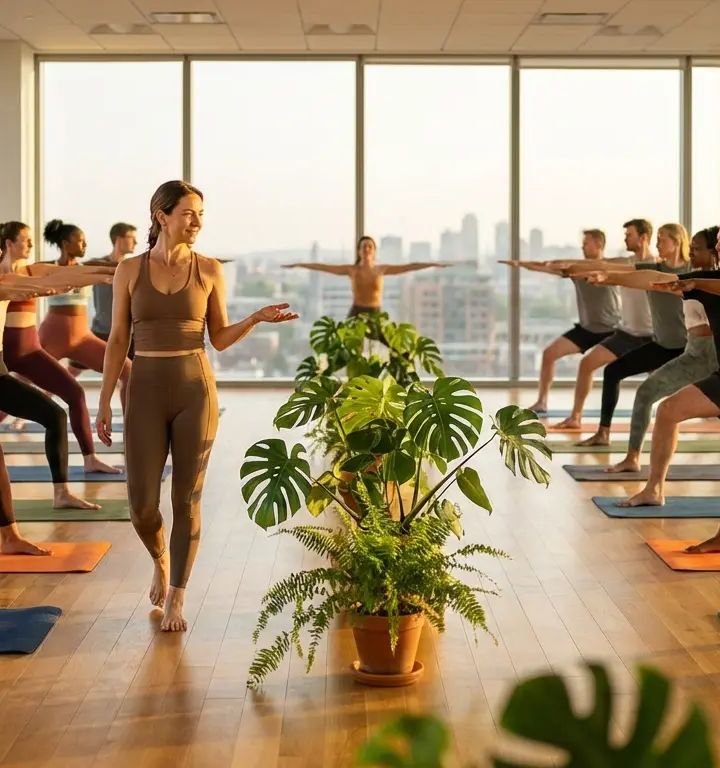
- Yoga space: Is there a suitable room for your practice? At least 3 square metres per participant. Ideal: natural light, wooden floor and a quiet setting.
- Catering: Does the accommodation offer vegetarian or vegan cuisine? Or do you need to organise meals separately?
- Atmosphere: Does the place match your retreat concept? A luxury spa conveys a different feeling than a farmhouse in the countryside.
Types of accommodation compared
- Seminar hotels and retreat houses: All-inclusive, professional infrastructure. Price: from 80-150 euros per person per night with full board.
- Holiday homes and group houses: More self-organisation but cheaper and more personal. Ideal for small groups up to 15 people.
- Monasteries and educational centres: Quiet atmosphere, often affordable. Perfect for meditative and silent retreats.
- Camping or glamping: Close to nature and adventurous. Works well in summer for yoga-and-hiking retreats.
Contracts and cancellation conditions
Clarify before booking: What cancellation conditions apply? How much is the deposit? Is there a minimum occupancy? Negotiate flexible conditions where possible, especially for your first retreat. Many seminar venues offer better terms for new clients.
Designing your programme and daily schedule
A well-thought-out daily schedule is the heart of your yoga retreat. It gives participants orientation while creating space for personal freedom.
The ideal retreat daily schedule
A proven daily schedule for a week-long yoga retreat might look like this:
- 07:00 - 07:30 Meditation or Pranayama (optional early riser programme)
- 07:30 - 09:00 Morning yoga session (active Vinyasa, Hatha or Ashtanga)
- 09:00 - 10:00 Shared breakfast
- 10:00 - 13:00 Free time for relaxation, hiking, reading or optional workshops
- 13:00 - 14:00 Lunch
- 14:00 - 16:00 Workshop or theory session (philosophy, anatomy, Ayurveda)
- 16:30 - 18:00 Afternoon session (calmer: Yin Yoga, Restorative, Yoga Nidra)
- 18:30 - 19:30 Dinner
- 20:00 - 21:00 Optional evening programme (meditation, kirtan, bonfire)
Balance between structure and free time
A common mistake with retreats: the programme becomes too packed. Your participants often come from stressful jobs and need time to arrive. Deliberately plan gaps. As a rule of thumb, aim for a maximum of 4-5 hours of guided practice per day.
Special programme highlights
Set your retreat apart from the competition by including special elements:
- Outdoor yoga: Sessions in the open air create unforgettable experiences
- Guest teachers: Invite a specialist for a workshop (e.g. Ayurveda, sound bowls, breathwork)
- Culinary highlights: Cooking together, Ayurveda cooking class or local specialities
- Excursions: Sunrise hike, visit to a local temple or thermal baths
Costs and pricing for your yoga retreat
Pricing is one of the trickiest aspects of retreat planning. You need to cover your costs, earn a fair income and offer a price your target audience is willing to pay.
Typical cost items
A realistic calculation includes these items:
- Accommodation and meals: The largest item. Depending on standards, 60-150 euros per person per night including full board.
- Travel and transfers: If you organise a shuttle from the station.
- Fees for guest teachers or assistants: Between 200 and 500 euros per day, depending on experience.
- Materials: Handouts, journals, welcome packs, yoga mats (if not available).
- Insurance: Event liability and possibly travel cancellation insurance.
- Marketing: Costs for advertising, flyers, social media ads.
- Your own fee: Do not forget to calculate your working time fairly. You plan, lead and supervise for several days.
Calculating participant prices
A proven formula: Total costs divided by the minimum number of participants, plus 20-30 per cent margin. This keeps you profitable even when not fully booked.
Example calculation for a weekend retreat (2 nights, 12 participants):
- Accommodation and meals: 12 x 200 euros = 2,400 euros
- Your fee: 800 euros
- Materials and other: 200 euros
- Total costs: 3,400 euros
- Per participant (at 10 minimum): 340 euros
- With 25 per cent margin: 425 euros per participant
Early bird and instalment payments
Offer an early bird discount of 10-15 per cent to secure early bookings. Instalment payments in two to three rates lower the barrier for participants. Require a deposit of at least 30 per cent upon booking to avoid no-shows.
Organising participant management and bookings
A smooth registration process and clear communication are crucial for your retreat's success. The more professional you appear, the more trust you build with potential participants.
Designing the registration process
Make it as easy as possible for interested people to sign up:
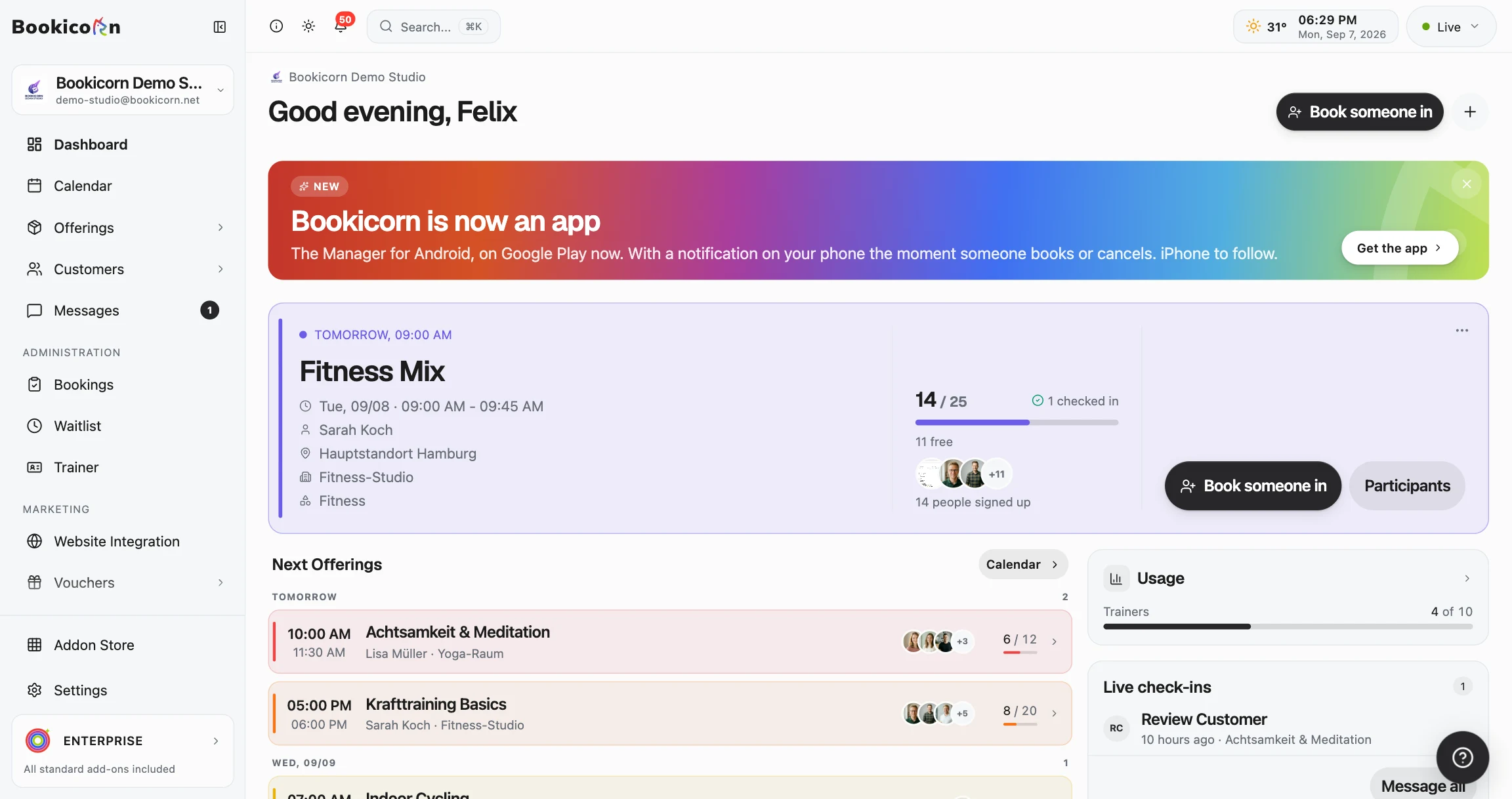
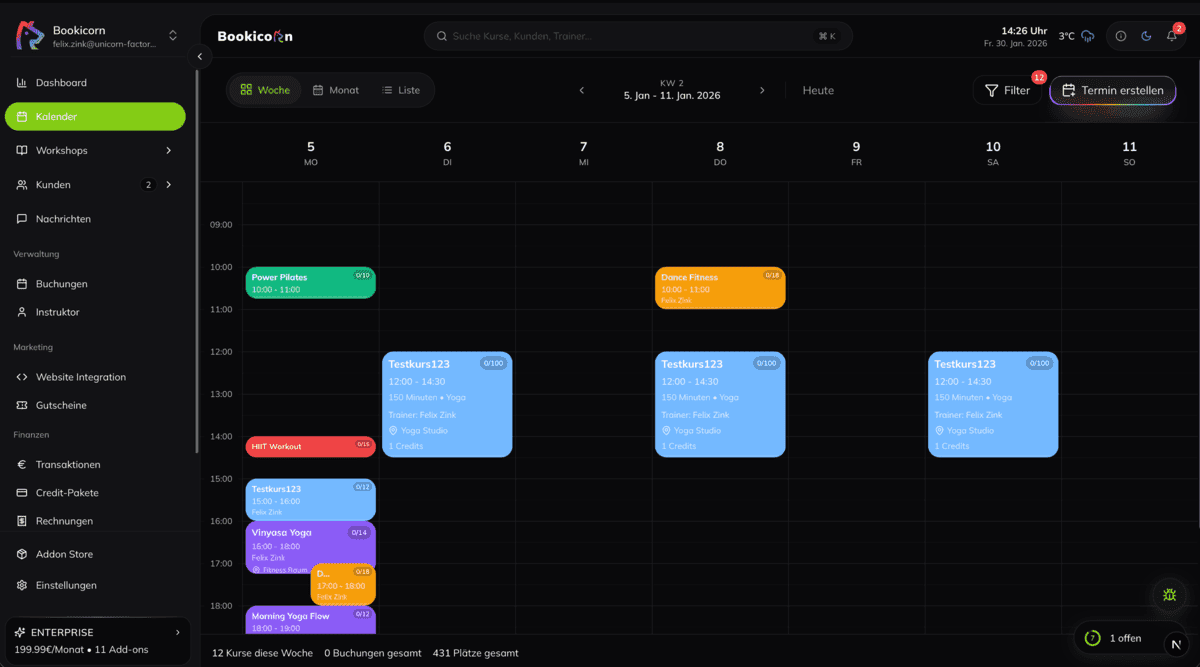
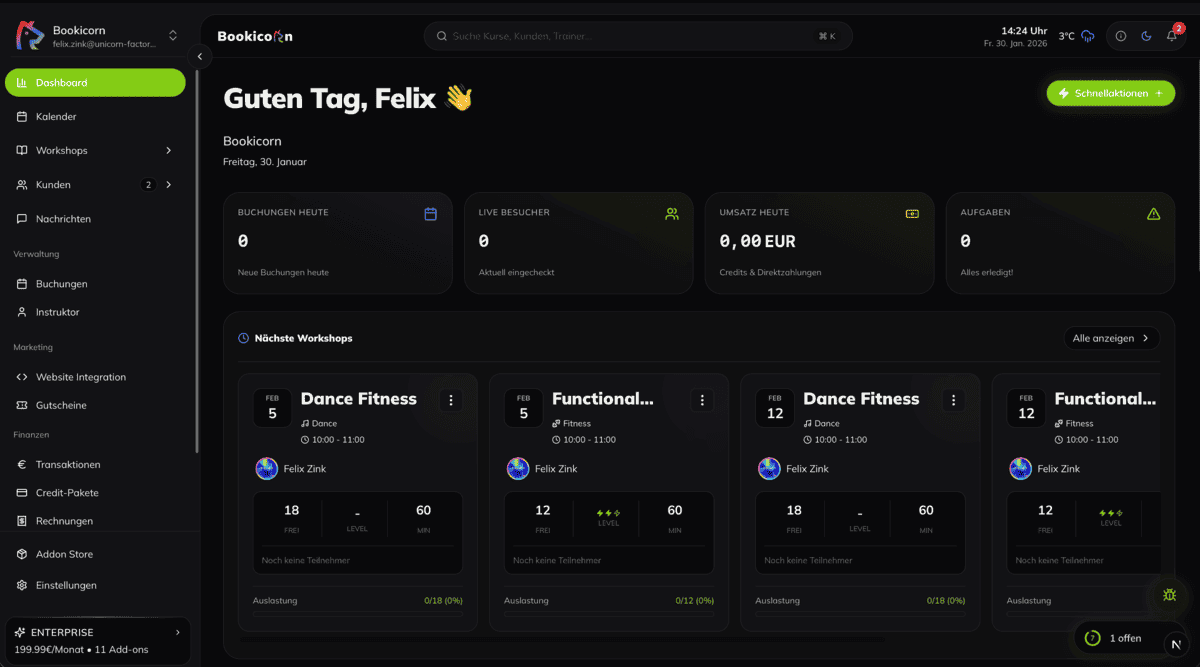
- Online booking form: Via your website or a booking software like Bookicorn. No handwritten lists or email chains.
- Clear information page: Date, location, programme, price, included services, arrival and departure, cancellation conditions.
- Automatic confirmation: Every participant receives an immediate booking confirmation with all important details.
- Waiting list: When your retreat is fully booked, collect interested people for possible replacements.
Communication before the retreat
Keep your participants informed:
- 4-6 weeks before: Send detailed information about travel, packing list and daily schedule.
- 2 weeks before: Reminder with practical details (weather, special notes).
- 1 week before: Final update with last details and personal message.
- Questionnaire: Ask in advance about dietary requirements, health conditions and yoga experience.
Digital management instead of paperwork
Manage registrations, payments and communication digitally. Booking software saves you hours of manual work and prevents errors. You keep track of payment receipts, can send automatic reminders and have all participant data in one place.
Marketing: Successfully promoting your yoga retreat
Even the best retreat will not fill itself. Well-planned marketing is essential to ensure your places are booked in time.
Using online channels
- Instagram: Share behind-the-scenes glimpses, countdown stories and testimonials from past participants. Use relevant hashtags like #YogaRetreat, #YogaGetaway.
- Your website: Create a compelling landing page with all information, professional photos and a clear booking button.
- Email newsletter: Your existing community is the most important target group. Send a series of 3-4 emails in advance.
- Yoga platforms: List your retreat on platforms such as BookYogaRetreats, Retreat.guru or YogaTrail.
Marketing timeline
- 6 months before: Launch landing page, first announcement on social media and newsletter.
- 4 months before: Start early bird phase, publish detailed information.
- 2 months before: Communicate scarcity ("Only X places left"), share testimonials.
- 4 weeks before: Promote last places, possibly offer a last-minute deal.
- After the retreat: Collect photos and participant feedback to use for the next retreat.
Word of mouth and community
The strongest advertising comes from satisfied participants. Actively ask them for reviews and recommendations. Offer a "Bring a Friend" discount: whoever brings a friend receives a price reduction. This helps your retreat grow organically.
Legal aspects and insurance: What you need to know
The legal aspects of retreat planning are often underestimated. Yet the most expensive mistakes can happen here. Inform yourself in good time to avoid unpleasant surprises.
Package travel regulations
As soon as you as a yoga teacher bundle at least two travel services (for example accommodation and yoga classes), your retreat may fall under package travel regulations. This means:
- Insolvency protection: You must take out insolvency insurance for your participants.
- Information obligations: You must provide certain information before the contract is concluded.
- Liability: As the organiser, you are liable for the proper delivery of all booked services.
An exception exists for occasional organisers who only offer one or two retreats per year and do so non-commercially. However, the distinction is complex. Seek legal advice if in doubt.
Insurance coverage
- Event liability insurance: Protects you if a participant is injured during your retreat. Cost: approximately 100-300 euros per year.
- Professional liability for yoga teachers: Covers personal injury that occurs during your classes.
- Travel cancellation insurance: Recommend that your participants take out their own travel cancellation insurance.
Terms and conditions and cancellation policies
Create clear terms and conditions for your retreat. These should include at minimum: payment terms, cancellation deadlines and refund rules, liability exclusions, minimum participant numbers and cancellation conditions. Ideally have your terms reviewed by a lawyer.
Frequently asked questions about planning a yoga retreat
The most important questions and answers about organising your own yoga retreat at a glance.
Conclusion: Your yoga retreat step by step to success
Planning your own yoga retreat is a rewarding challenge that takes your offering as a yoga teacher to a new level. With the right preparation, a clear concept and realistic calculations, your first retreat will be a success.
The key points summarised:
- Start with a clear concept and define your target audience before searching for a location.
- Plan at least 6 months of lead time for accommodation, programme and marketing.
- Calculate realistically and do not forget your own fee.
- Use digital tools for booking and participant management.
- Clarify the legal framework early on and protect yourself with insurance.
Start small, gain experience and gradually expand your retreat offering. Every retreat you organise makes you better and more confident for the next one.

Written by
Felix Zink
Felix built Bookicorn from the ground up – from the booking system and credit system to trainer payouts. As a full-stack developer at Unicorn Factory Media GmbH, he builds software that makes everyday life easier for studios.
Was this article helpful?
Rate this post